
A fan is not a small air conditioner, and that is the point
The easiest way to buy the wrong fan is to expect it to cool a room like an air conditioner. A fan mostly moves air across skin, pushes stale pockets out of corners, and helps a warm room feel less trapped. That sounds less exciting than a product page, but it is exactly why a good fan can still earn a permanent place in an apartment.
In real homes, the difference is rarely one dramatic feature. It is whether the fan is quiet enough to leave on while reading, narrow enough to sit beside a sofa, stable enough around pets, and simple enough that nobody has to open an app every time the room gets uncomfortable. A smart fan should make the routine calmer, not add another dashboard to babysit.
Start with the room where heat actually bothers you
A bedroom needs different decisions from a living room. At night, low-speed noise, display lights, and how gently the airflow moves matter more than maximum power. A fan that is impressive for ten minutes can become irritating at 2 a.m. if the motor hums, the remote beeps, or the airflow hits your face too directly.
Living rooms ask for a different balance. You may want wider oscillation, a taller air column, or a design that can sit near a balcony door without looking like temporary equipment. If a room has one hot corner, an air circulator aimed across the space can sometimes feel better than a tower fan pointed straight at one seat.
Smart features help only when they remove friction
Wi-Fi control is useful when it matches a real habit: turning the fan off from bed, starting it before a room is used, or linking it to a simple routine with a temperature sensor. It is less useful when the app is the only comfortable way to control basic speed and oscillation. The physical controls should still make sense.
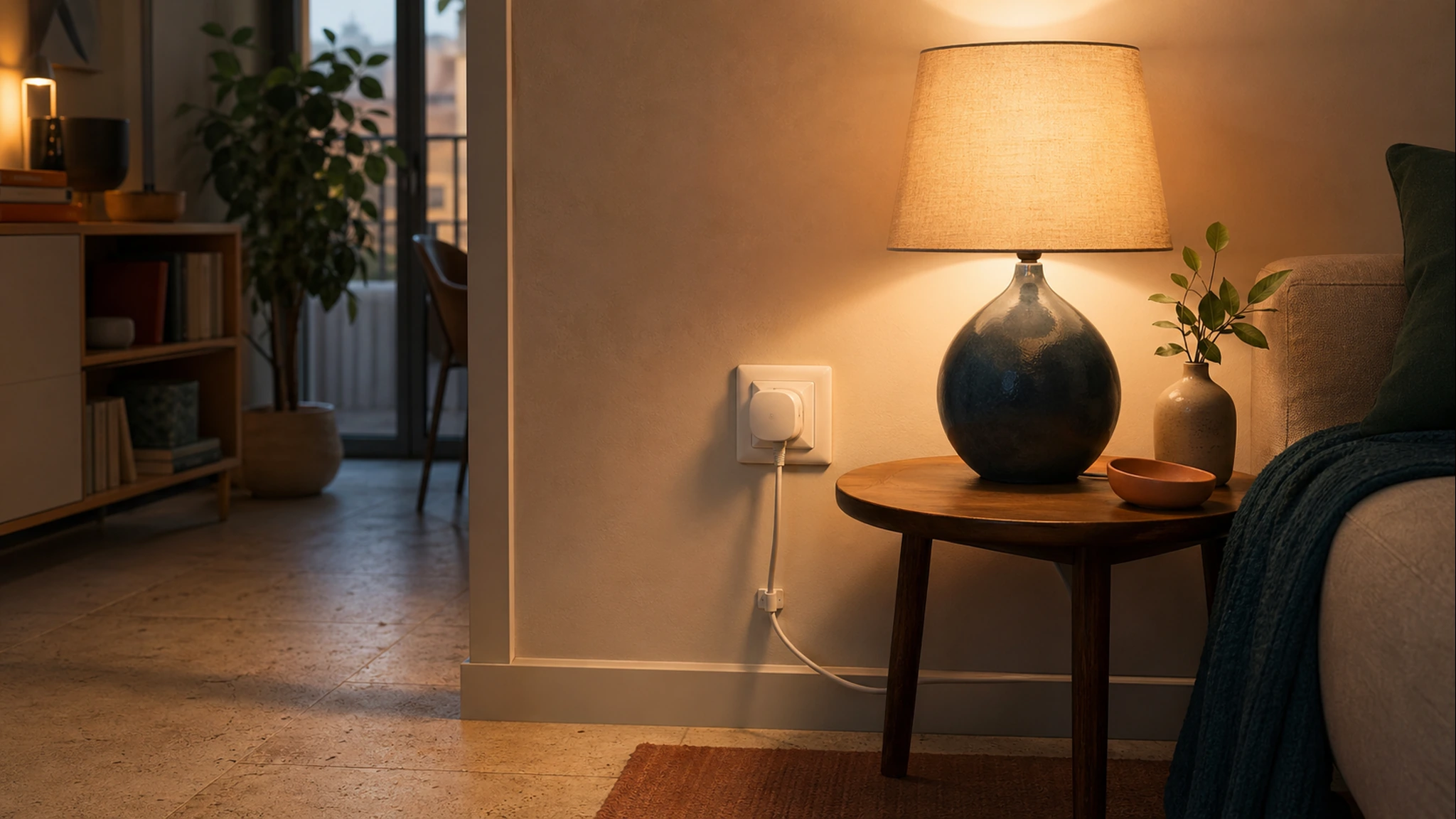
Voice control can be pleasant for bedrooms and kitchens, but it should not be the reason to ignore airflow and noise. A basic quiet fan on a reliable smart plug can sometimes beat a more complicated connected fan, especially if all you need is a schedule and a clean on/off routine.
Noise, cleaning, and storage decide the long-term winner
Fans collect dust quickly. If the grille is annoying to remove or the blades are difficult to reach, the product slowly becomes louder and less pleasant. This is one of those boring details that matters more after three months than it does in the first shopping session.
Storage matters too. A pedestal fan may move more air, but it can be awkward in a small flat once the hottest weeks pass. A tower fan is easier to tuck beside furniture, while a compact circulator can move from desk to bedroom without feeling like a seasonal project. The best choice is the one you can keep using without negotiating with the room every day.