The strongest renter upgrades solve friction without creating new friction
Apartment living changes what counts as a good smart-home purchase. The ideal device is not the one with the biggest feature list. It is the one that installs cleanly, fits a smaller floor plan, and can leave with you when your lease ends. That usually means portable products, no-drill options, and devices that do not depend on a landlord approving a wiring project.
Renters also live closer to the consequences of clutter. In a smaller home, every puck, hub, cable, or charger becomes visible faster. A smart gadget should earn its footprint. If it creates mess, blocks outlets, or demands too much maintenance, it can make an apartment feel more crowded rather than more capable.
Reversible upgrades usually beat impressive permanent ones
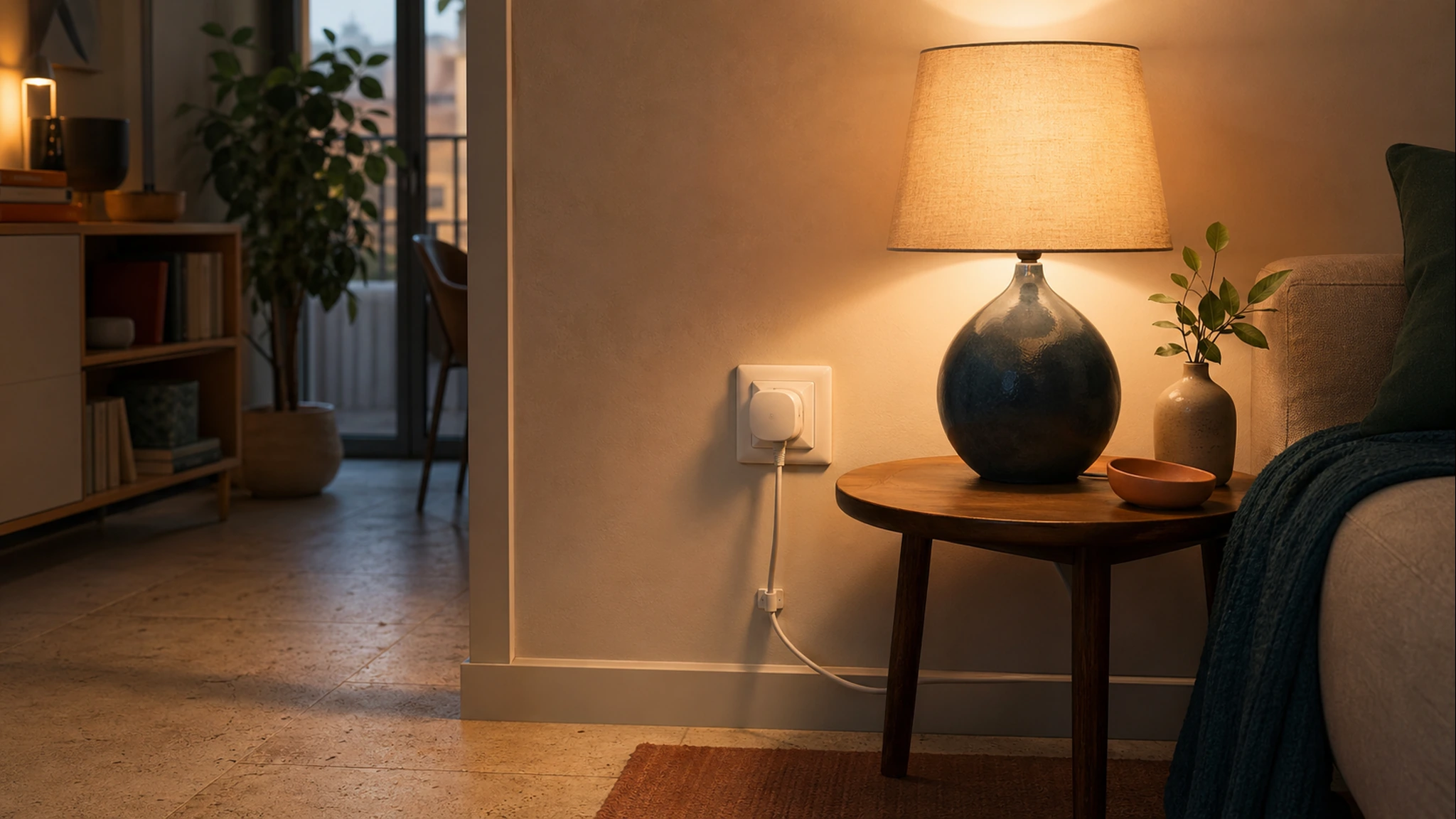
Many apartment dwellers are tempted by devices that promise a more 'complete' smart home, only to realize later that installation, removal, or compatibility is not worth the effort. Portable speakers, smart plugs, peel-and-place accessories, and simple lighting upgrades tend to age better in rental life because they move with you and ask less from the building itself.
This does not mean renters need to avoid ambitious categories forever. It means the first layer should be forgiving. Products that work well in a studio, a one-bedroom, or a temporary move become the foundation that keeps paying off as your housing situation changes.
Build around the routines that happen every day in a small space
Apartments compress daily life. The same room may hold work, relaxation, dining, and storage, which means the most useful smart gadgets are often the ones that reduce tiny repeated annoyances: reaching for a lamp switch behind furniture, missing a package at the entry, or wanting one simple command that changes the room for evening mode.
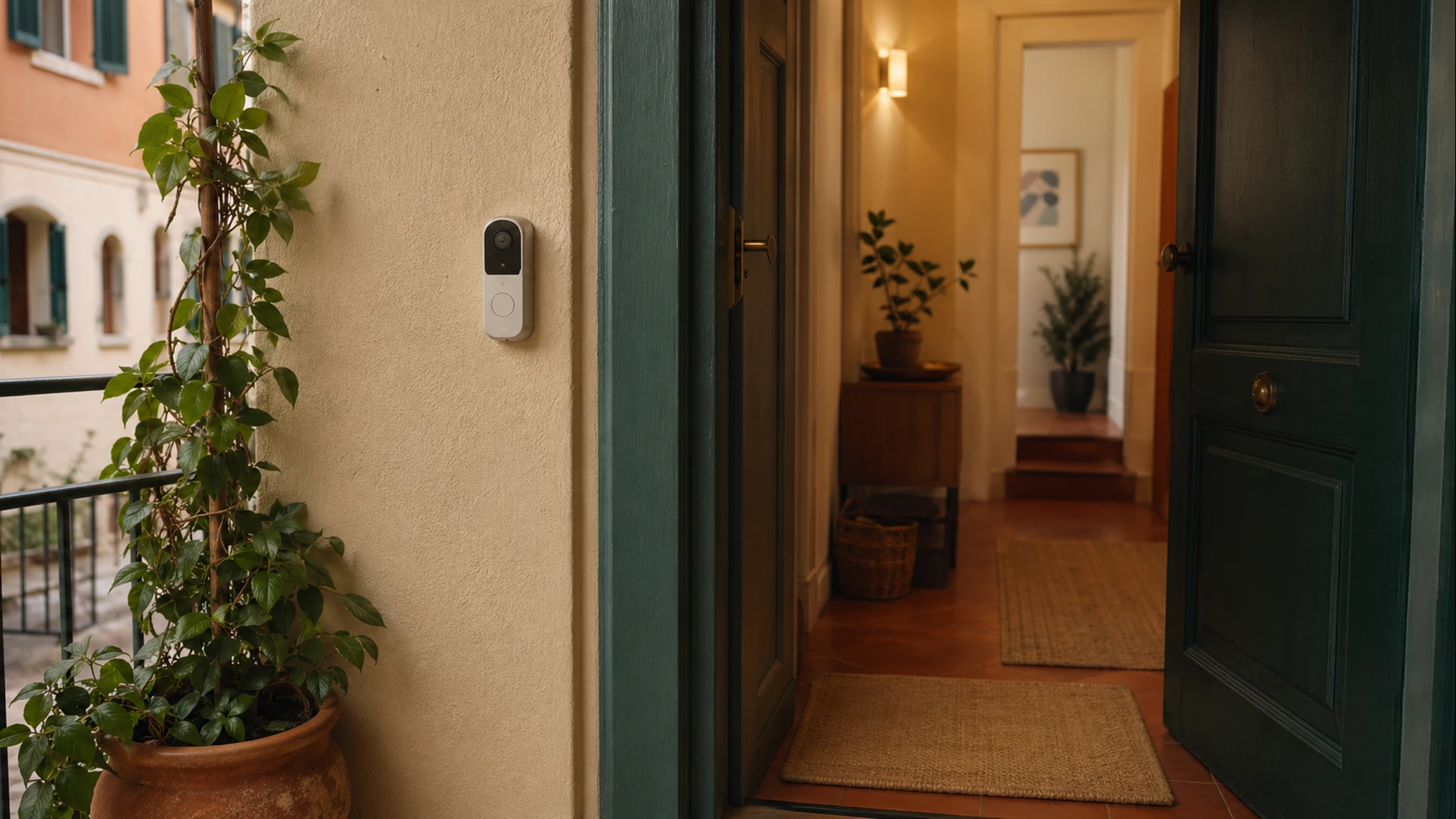
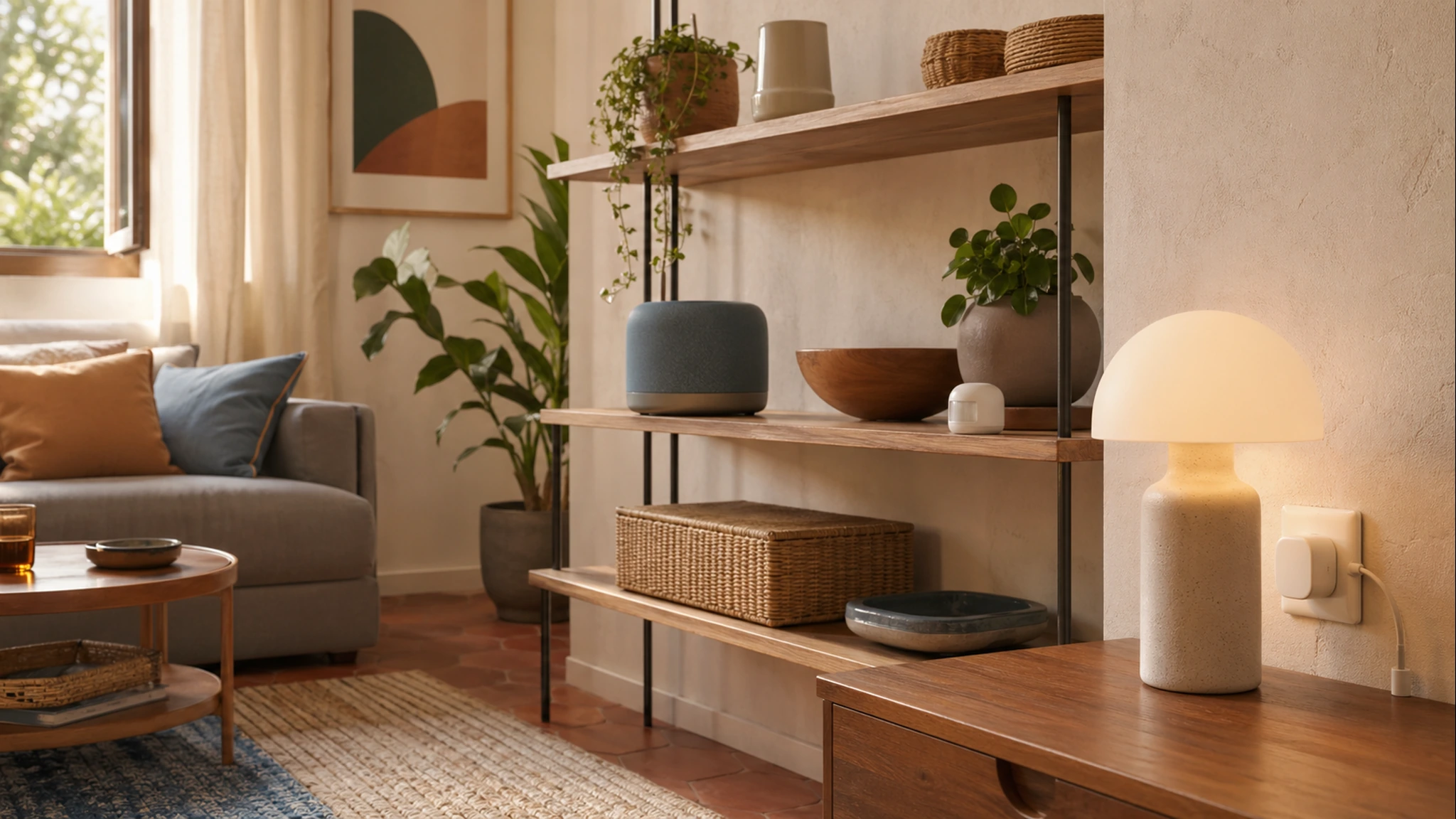
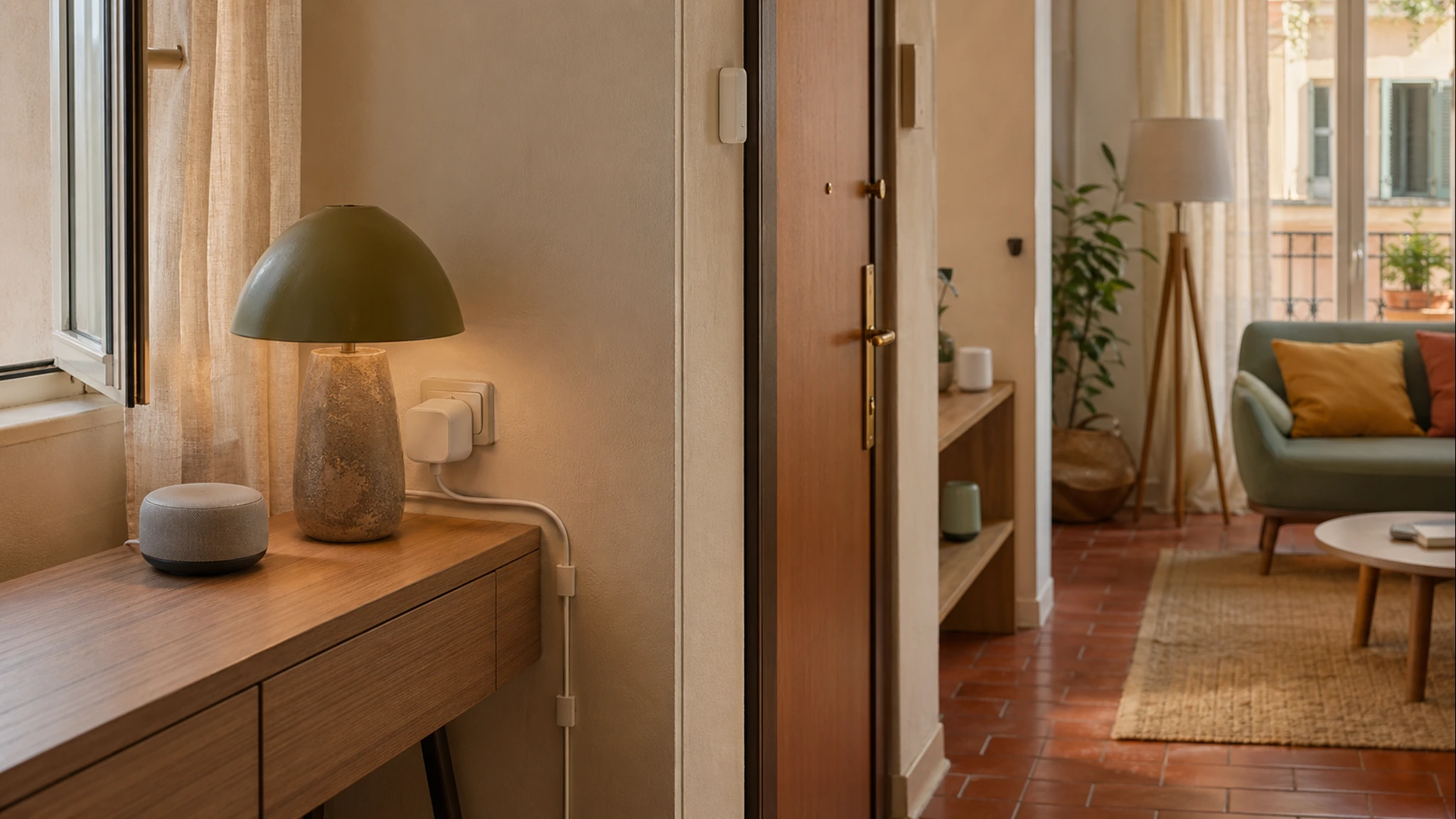
This is why compact automation can feel surprisingly high value in rental homes. A plug, a speaker, a no-drill entry device, or a small lighting layer may seem modest compared with a full-home setup, but those are the tools that make a small home feel more ordered without asking you to overbuild.
Buy gear that still makes sense on move-out day
A helpful renter test is to imagine the device on the day you move. Can you remove it cleanly? Does it still make sense in a different layout? Will it integrate with a new place without special wiring or a landlord conversation? Products that pass that test tend to be the ones renters stay happiest with.
That perspective also protects the budget. Instead of buying one dramatic device that only works in the current apartment, you build a kit of flexible tools that can travel: plugs, speakers, bulbs, lightweight security, and maybe one carefully chosen access product if the door situation allows it. That is how a rental smart home stays useful instead of becoming disposable.