
Partecipiamo al Programma Amazon EU Associates. Informativa completa →

Comfort Comparison

Smart Thermostats Reviewed: Ecobee vs. Nest

The better thermostat is usually the one that matches your home's comfort problems, not the one with the cleaner ad campaign.

Jordan Hale April 19, 2026 Last updated: April 23, 2026 9 min read
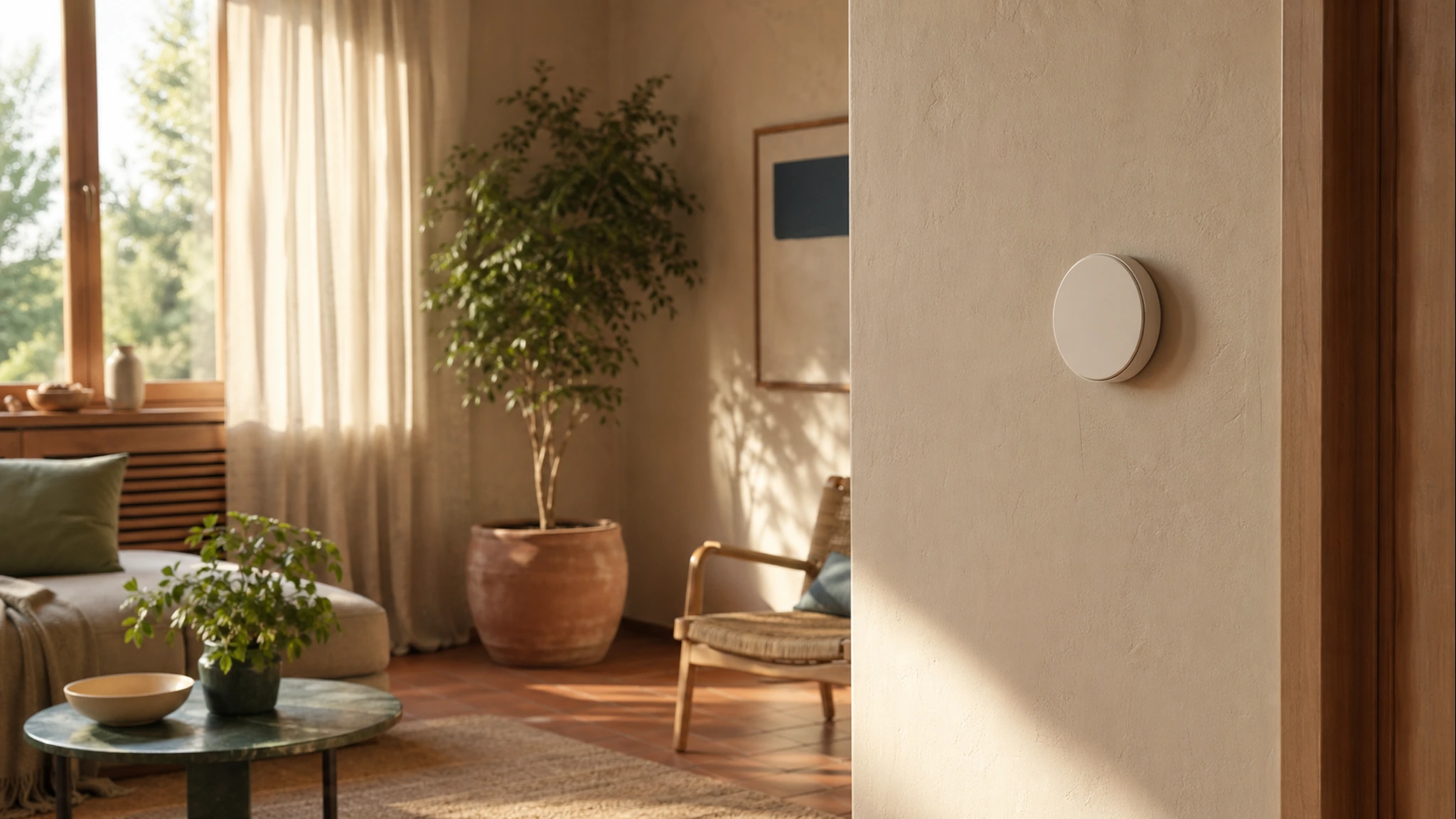
A calm living room wall with a generic smart thermostat.

This is really a comfort-strategy decision, not just a gadget comparison

Thermostats affect the background feel of the home, which makes them different from many other smart devices. You notice them in the morning when one room feels right and another does not, on summer afternoons when the upstairs behaves differently from the main floor, or during weekly schedule changes when a household routine no longer matches the original programming. That makes the buying decision less about shiny features and more about comfort strategy.

Ecobee and Nest each appeal to buyers for slightly different reasons, but the meaningful choice is about how you want the system to think. Are you trying to smooth out room differences, reduce manual fiddling, integrate more deeply with a broader ecosystem, or simply replace a basic thermostat with something calmer and more capable? That is the comparison that matters.

Sensors matter only when your house has a real room-balance problem

Remote sensors sound compelling because they promise better intelligence across the house. In homes where bedrooms run warm, offices sit cold, or occupancy changes throughout the day, that can be genuinely useful. In homes with a smaller footprint and fairly even temperatures, the added layer may matter much less than buyers expect.

This is where thermostat articles often become too abstract. Sensors are not automatically a premium win. They are worth more when the home has a real comfort pattern to solve. If your layout does not create those issues, you may get more value from a clean app and stable scheduling than from a more advanced sensor story.

App logic and ecosystem fit shape long-term satisfaction

Because thermostats touch daily routines, the app experience matters a lot. Small differences in how easy it is to override a schedule, adjust a mode, or understand what the system is doing can become surprisingly important after a few months. A clean interface often creates more day-to-day value than a longer feature list you rarely open.

Ecosystem fit also matters, but mostly when it reduces friction. If the thermostat slots neatly into voice control, occupancy routines, or broader home automation you already use, that can be useful. If it only adds another layer of account management without making comfort easier to manage, the smart value starts to thin out quickly.

The upgrade pays off when it reduces fiddling, not when it adds it

The best thermostat upgrades make the house feel more stable while asking less from you. You should not need to become a climate-control hobbyist for the product to justify itself. If one platform nudges you toward constant tweaking and the other quietly keeps rooms comfortable with occasional intervention, that difference matters as much as any feature table.

Buyers should also stay practical about savings claims. Smart thermostats can improve efficiency, but the real win is usually better comfort management plus more informed scheduling. If the device helps the home feel right more often and reduces needless manual adjustments, it is already doing valuable work.

Reader profiles

Category picks worth checking

Recommendation block

Sensor-focused thermostat setup

Best for: Homes with uneven room temperatures or changing occupancy patterns

Why consider it: This category shines when your comfort problem is spread across rooms rather than centered on one hallway thermostat location.

Pros

  • Useful for hot and cold room balancing
  • Helps schedules reflect where people actually spend time
  • Stronger fit for larger or multi-level homes

Cons

  • Added hardware only matters in the right layout
  • Can feel excessive in small, even-temperature homes

What to know: Buy into sensors because your house needs them, not because the feature sounds more advanced.

Browse on Amazon.it

Recommendation block

Simple smart thermostat with cleaner control flow

Best for: Homes that want easier scheduling and less day-to-day tweaking

Why consider it: A simpler thermostat can be the stronger buy when the main goal is dependable comfort with low interface friction.

Pros

  • Usually easier to live with daily
  • Good fit for smaller homes or straightforward HVAC needs
  • Can still deliver meaningful schedule improvements

Cons

  • May offer less flexibility for advanced zoning logic
  • Not ideal if your layout has strong room-level comfort issues

What to know: Sometimes the best thermostat is the one that disappears into the routine instead of asking for constant attention.

Browse on Amazon.it

Recommendation block

Ecosystem-aligned thermostat choice

Best for: Buyers who already know which voice or automation platform anchors the home

Why consider it: Thermostat integration matters most when it simplifies how the rest of the house already runs.

Pros

  • Can reduce automation friction across the home
  • Useful when one ecosystem already dominates other devices
  • Often easier for multi-device routines

Cons

  • Poor value if chosen for ecosystem loyalty alone
  • Still has to fit the HVAC and comfort needs of the house

What to know: Use ecosystem fit as a tie-breaker after comfort needs, not as the first and only buying criterion.

Browse on Amazon.it

Before You Buy

Quick answers for this category

Do remote sensors always make a thermostat better?

No. They are most helpful in homes with real room-balance problems or changing occupancy, not automatically in every house.

Can renters benefit from smart thermostats?

Only if the HVAC setup and living situation allow it. This category is much more dependent on the actual home system than plugs, bulbs, or speakers are.

What is the main reason to upgrade from a basic thermostat?

Usually to improve comfort consistency and reduce manual schedule fiddling, with energy efficiency as a helpful secondary benefit rather than the only goal.

JH

Written by

Jordan Hale

Smart Home Editor

Jordan focuses on ecosystem fit, privacy tradeoffs, and the practical side of building a smart home that still feels calm to use.